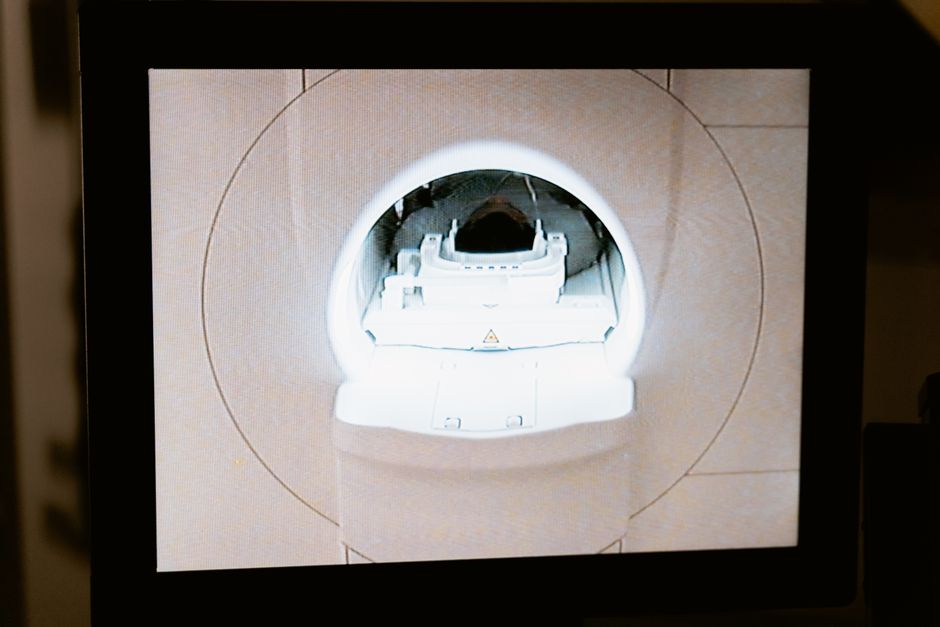
The MRI cost without insurance can be a shock, because the same scan can cost a few hundred dollars at one facility and several thousand at another. Magnetic resonance imaging is a common diagnostic tool, but as a self-pay patient you have far more control over the price than most people realize. This 2026 guide breaks down typical MRI prices by body part and setting, explains what drives the bill, and walks through proven ways to pay dramatically less without sacrificing quality.
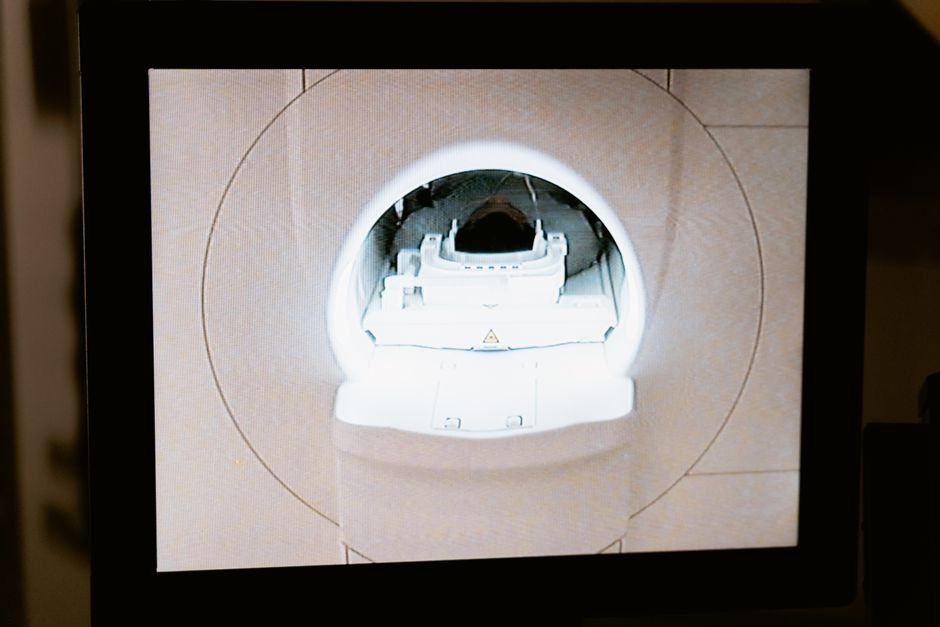
Typical MRI cost without insurance
For a self-pay patient, the MRI cost without insurance in 2026 commonly ranges from about $400 to $3,500 per scan, with many falling between $500 and $1,500 at independent imaging centers. Hospitals tend to charge the most, while freestanding outpatient imaging centers are usually far cheaper for the identical scan. The wide spread reflects the facility type, your region, whether contrast dye is used, and how many body areas are imaged. Knowing this range is your first negotiating tool.
Price by body part and complexity
| Factor | Effect on price | Notes |
|---|---|---|
| Facility type | Largest driver | Hospitals cost more than imaging centers |
| Body part scanned | Moderate | Brain, spine, joints priced differently |
| With vs. without contrast | Adds cost | Contrast dye raises the total |
| Number of regions | Multiplies cost | Each additional area adds a charge |
| Radiologist reading fee | Often separate | Interpretation may be billed apart |
Like other big procedures such as a knee replacement cost without insurance, the scan and the professional interpretation are sometimes billed separately, so always ask whether the quote is all-inclusive.
Why hospitals charge so much more
Hospitals carry higher overhead and often bill imaging at facility rates that dwarf what an independent center charges for the same MRI on similar equipment. A scan that costs $2,500 at a hospital might be $500 to $700 at a nearby outpatient imaging center. Unless your doctor specifically requires hospital-based imaging, choosing a freestanding accredited center is often the single biggest way to cut your cost. Federal price-transparency rules require facilities to publish standard charges, which you can learn about through the Centers for Medicare & Medicaid Services.
How to lower your MRI cost without insurance
Self-pay patients have real leverage. Ask every facility for its cash or self-pay price, which is frequently much lower than the billed rate and sometimes lower than an insured patient’s share. Call several independent imaging centers and compare, request an all-inclusive quote that covers the radiologist’s reading, and ask about prompt-pay discounts. Some centers advertise flat cash prices specifically for uninsured patients. Getting two or three quotes can easily save more than a thousand dollars.
Should you get insured first?
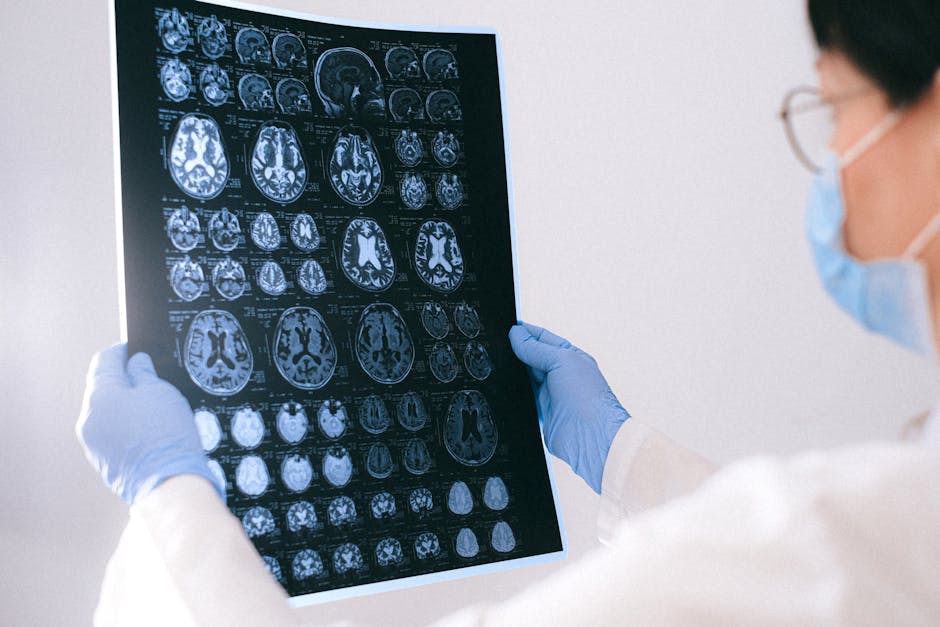
If your MRI is part of a larger workup or you anticipate ongoing care, enrolling in coverage could save more than the scan alone. A marketplace plan or Medicaid may reduce not just the MRI but related visits and treatment. Our guide to the best health insurance for self-employed workers explains how to find affordable coverage if you do not have it. For a one-off scan, though, paying cash at a low-cost imaging center is often cheaper than buying coverage, so weigh the full picture.
Watch for separate and surprise charges
One reason MRI bills balloon is unexpected add-ons: a separate radiologist interpretation fee, an extra charge for contrast, or facility fees layered on top of the scan. Before you book, ask for a written, itemized quote and confirm it includes the reading. If you receive a bill higher than the quote, request an itemized statement and dispute charges that were not disclosed. Keeping everything in writing protects you from surprise costs.
Frequently asked questions
Why is an MRI cheaper at an imaging center than a hospital?
Independent imaging centers have lower overhead and facility fees, so they often charge a fraction of hospital prices for the same scan. Unless hospital imaging is medically required, a center is usually cheaper.
Can I negotiate the MRI cost without insurance?
Yes. Ask for the cash or self-pay price, compare several centers, request an all-inclusive quote, and ask about prompt-pay discounts. Uninsured patients frequently secure significant reductions.
Does contrast dye change the price?
Yes. An MRI with contrast costs more than one without because of the dye and added procedure time. Confirm whether your scan requires contrast when you request a quote.
Is the radiologist fee included in the price?
Not always. The scan and the radiologist’s interpretation are sometimes billed separately, so ask for an all-inclusive quote to avoid a surprise second bill.
Final thoughts
The MRI cost without insurance in 2026 varies enormously, which means a little effort pays off. Compare independent imaging centers, ask for cash prices and all-inclusive quotes, watch for separate radiologist and contrast charges, and consider coverage if a scan is part of broader care. With a few phone calls, many uninsured patients cut their MRI bill by hundreds or even thousands of dollars.
Disclaimer: This article is for general educational purposes only and is not medical or financial advice. Prices are estimates that vary widely; confirm exact costs with the facility and follow your physician’s guidance on which imaging you need.